Brampton Commercial Cleaning Pros
Brampton food safety and professional sanitation experts help you keep restaurants, commissaries, baking facilities, warehouses, and mobile food operations clean to code. They sanitize high-touch points, food preparation areas, equipment, floors, drains, restrooms, and prep zones using approved chemicals, correct dilution, and verified exposure periods. in maintaining restaurants, food supply centers, bakeries, warehouses, and food service units in compliance. They disinfect frequently touched areas, food preparation zones, equipment, floors, drains, restrooms, and prep areas using certified sanitizers, correct concentration, and documented exposure durations.
Main Points
- Brampton sanitation experts support restaurants, grocery departments, commissaries, warehouses, bakeries, schools, mobile vendors, and allergen-sensitive operations.
- Cross-contamination avoidance is ensured by disinfecting frequently contacted areas, food-contact equipment, kitchens, floors, drains, restrooms, and storage areas with compartmentalized approaches.
- Documentation of finishing through checks, reviews, and remedial documentation validates trained specialists have checked approved sanitizer dilution, alignment, and exposure duration.
- Everyday, recurring, and annual operations assigned by area form hygiene timelines founded on danger, production rate, changeovers, releases, and standards.
- Emphasize suppliers showing HACCP, sanitation competency, safety training training, insurance, credentials, coded implements, and compliance-ready sanitation records.
What Brampton Establishments Require Food Safety Cleaning?
Food safety cleaning is required for any Brampton facility that handles, maintains, prepares, packages, or offers food. Apply it to your operation if it falls within public health inspection, food premises regulations, or internal HACCP-based controls. This includes eateries, cafes, warehouses, supermarket areas, meat markets, fish stands, convenience outlets, and institutional food areas.
You also need proper hygiene cleaning in distribution centers, food processing plants, freezer facilities, commercial bakeries, educational nutrition programs, event spaces, and catering hubs. Mobile and seasonal operations count too, including catering vehicles, market vendors, and seasonal stalls. If your staff work with raw supplies, divide prepared foods, warm dishes, or organize allergen inventory, your facility needs established sanitation documentation. In Brampton, sanitation isn't elective; it's part of lawful, functional, and customer safety adherence.
What Do Brampton Cleaning Professionals Handle?
Professional cleaning teams specializing in Brampton sanitize touched surfaces, kitchen facilities, ground surfaces, and sanitary facilities in compliance with food safety regulations. Emphasis on these spaces occurs because they pose maximum contamination danger, injury hazards, and compliance issues.
If you comprehend their cleaning services, you'll be able to confirm your facility meets all operational and regulatory compliance needs.
High-Touch Surface Cleaning
Managing high-touch surface cleaning is critical for Brampton sanitation professionals because these surfaces can spread bacteria, viruses, and food residue throughout a location. You require a scheduling system for sanitizing all high-touch items including handles, plates, switches, railings, control surfaces, POS systems, and refrigeration equipment. Employing contact point analysis, specialists identify every regularly used zone and establish cleaning frequency
verify that cleaning is successful and support corrective actions when results come beyond target ranges
Food Prep Areas, Flooring, and Sanitary Facilities
Expect Brampton cleaning experts to focus on kitchens, floors, and restrooms because each area carries distinct food safety, accident prevention, and sanitation risks. In industrial kitchens, you need grease removal from cooking stations, appliance surfaces, drain systems, preparation areas, and backsplashes to minimize bacterial growth and pest activity.
You should also expect documented flooring maintenance. is also provided as part of the service.
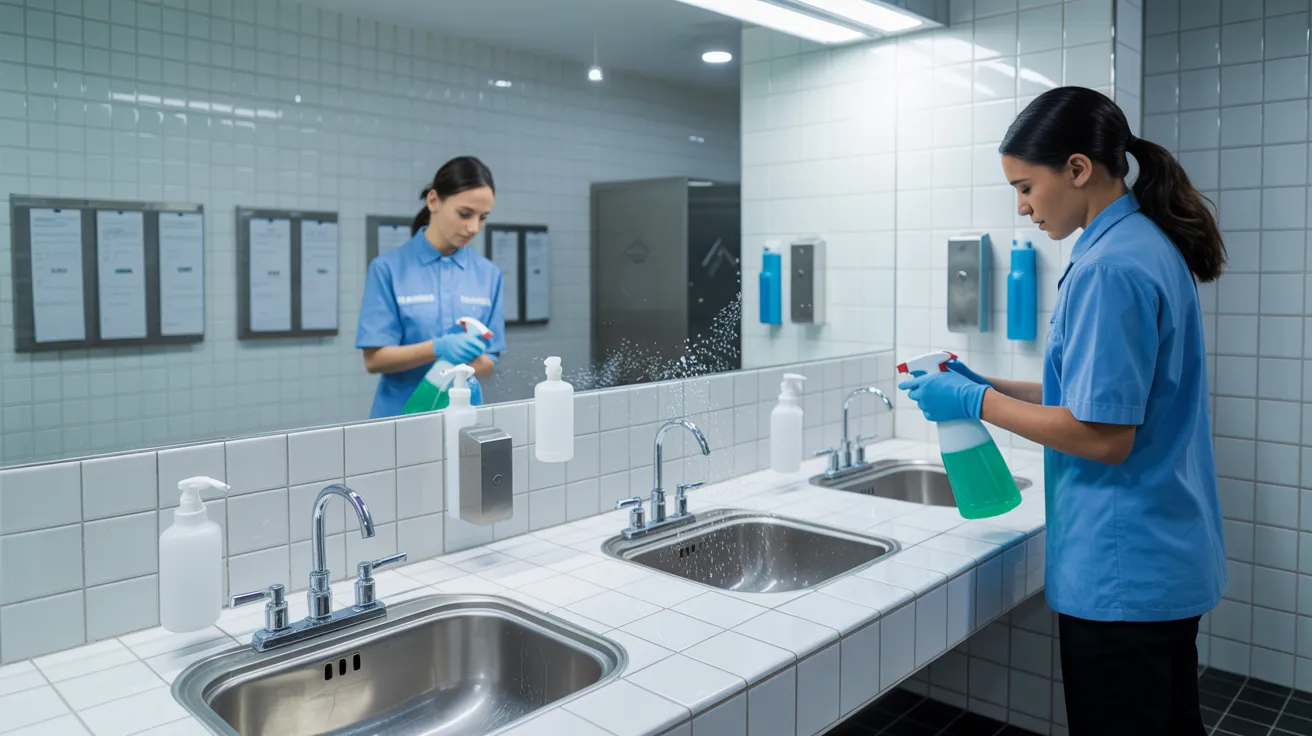
For restroom sanitation, cleaners disinfect touchpoints, fixtures, partitions, dispensers, and waste containers, then replace products and reduce odor. They also service restaurant moprooms, where chemical storage, sink hygiene, and drainage conditions can affect sanitation compliance and staff safety daily.
Why Food Safety Cleaning Matters in Brampton
In Brampton, you must copyright sanitary cleaning practices to meet health code requirements and pass inspections. You also minimize cross-contamination by cleaning and sanitizing food-contact surfaces, equipment, and high-touch areas correctly. Most importantly, you safeguard community wellness by reducing the chance of food poisoning in your establishment.
Sanitary Standards Adherence
Brampton food businesses must comply with strict public health standards, so food safety cleaning is essential to satisfying health codes, defending customers, and sidestepping penalties. You must maintain clean food preparation areas, written maintenance records, appropriate product handling, and documented employee protocols that align with municipal and provincial inspection expectations.
During inspections of your operation, officials analyze if your cleaning procedures ensures secure product handling, appliance cleanliness, garbage disposal, and facility cleanliness.
Contamination Prevention
Adhering to health code standards requires your expertise in stopping cross-contamination throughout daily food handling and cleaning. You need to separate raw ingredients from ready-to-eat foods, clean prep surfaces between tasks, and store cleaning supplies separately from food. Organized systems minimize contamination events and maintain ongoing regulatory adherence.
Building allergen isolation prevents priority allergens from contacting shared surfaces, containers, or equipment. Utilize dedicated cutting boards, color-coded tools, and strict utensil labeling so team members won't blend products during preparation or service.Mandate hand cleaning following uncooked meats, shellfish, egg items, or allergen substances. Swap wiping cloths regularly, and confirm sanitizer strength with test strips. When your team follows these practices every shift, you create a cleaner, safer operation that meets Brampton's food safety expectations consistently.
Public Health Protection
If food safety cleaning deteriorates, you don't merely risk a failed inspection—you boost the probability of foodborne illness harming customers, staff, and the broader Brampton area. You also undermine your responsibility in protecting public health, especially in high-traffic food premises where contamination can spread quickly through surfaces, equipment, and touchpoints.
You require cleaning procedures that remove contaminants, sanitize properly, and verify outcomes. This involves adhering to contact periods, employing authorized sanitizers, logging schedules, and training employees to meet regulatory standards. These controls promote disease prevention by decreasing microbes before contaminating food or surfaces. Across Brampton, strong cleaning safeguards vulnerable groups, reduces disease potential, and demonstrates accountability. When you maintain proper protocols, you go beyond requirements—you substantially lower hazards and facilitate secure food handling throughout the area.
In What Ways Does Cleaning Help Achieve Food Safety Compliance?
Establishing thorough cleaning protocols enhances food safety compliance by decreasing contamination threats, preventing pathogen multiplication, and keeping your facility aligned with sanitation requirements under HACCP-based programs and public health regulations. You validate that contact surfaces appear visibly clean and microbiologically controlled, supporting documented preventive controls and inspection readiness.
Effective cleaning also enhances allergen prevention by eliminating residues that can lead to undeclared allergen exposure. by removing residues that can cause undeclared allergen exposure.
When Do You Schedule Commercial Cleaning?
Cleaning routines are most effective when you set them according to risk levels, output volume, and compliance needs rather than using only a fixed calendar alone.
promotional occasions, catering functions, or public functions should schedule cleaning prior to and after for successful event turnaround. Document timing, check that work is completed, and revise plans when hazards, volumes, or regulations evolve
What Should You Look For in Brampton Cleaning Experts?
Start by screening providers against food-safe sanitation requirements, not cost only. You should verify that each company understands CFIA, public health, and HACCP-aligned expectations relevant to your facility. Ask for proof of insurance, WHMIS compliance, documented staff training, and supervision practices. Review whether technicians understand cross-contamination risks, chemical professional guide handling, and traceable sanitation records.
You must also evaluate operational reliability and oversight. Seek references from Brampton food companies, then assess response speed, corrective processes, and communication quality. Ensure the company supports supplier audits and can provide inspection-compliant records when authorities or third parties demand verification. Verify equipment is maintained, colour-coded tools are deployed correctly, and operational-specific risks are understood. A qualified provider protects compliance, product safety, and your market standing.
Which elements are contained in a Food Safety Cleaning Plan?
Create a documented plan that clarifies every sanitation responsibility, standard, and task before production begins. You should detail cleaning schedules, authorized chemicals, concentration levels, contact duration, implements, and validation techniques for each location, surface, and apparatus. Include pre-operational inspections, corrective actions, and employee training requirements.
Your plan should also address cross-contamination controls, waste handling, pest-prevention measures, and documented schedules for rest areas, drains, flooring, and food-contact surfaces. Detail how you'll separate raw and ready-to-eat processes, facilitate ingredient tracking, and ensure accurate allergen labeling through validated cleaning between product changes. You should assign accountability, keep signed records, and assess results against regulatory standards, HACCP controls, and customer requirements. When gaps appear, update procedures immediately and retrain staff.
Commonly Requested Inquiries
Do cleaning services operate during nighttime hours at Brampton properties?
Yes, you can book cleaning services to support nighttime operations in Brampton facilities. You'll coordinate nighttime cleaning around production schedules, security measures, and personnel needs. Services generally map overnight logistics to reduce disruption, maintain standards, and document completed tasks. You should verify response times, management, lockout procedures, and waste handling before beginning service. If you operate regulated spaces, you'll also want cleaning records that support inspections and compliance verification.
Are emergency spill response solutions available from sanitation professionals?
Yes, you can expect many Brampton cleaning experts to provide emergency spill response services. They handle hazard containment, evaluate dangers, contain contamination, and begin swift cleanup to minimize risk and operational disruption. You should confirm their response times, training certifications, PPE protocols, and waste management. If your facility must meet health or food safety regulations, select a service that records events, maintains regulatory procedures, and supports audit readiness.
Will plant-based disinfectants clean safely food preparation areas?
Yes, plant-based sanitizers can be safe for surfaces contacting food if you opt for solutions certified for food use and regulatory compliant. You should verify contact times, dilution ratios, and rinse requirements before application. Many plant-derived products reduce toxic chemical contact, but you must obtain confirmation of performance against specific pathogens. To keep surfaces residue-free, you should follow exact manufacturer guidelines and confirm the disinfecting agent meets food industry regulations.
Will cleaning plans accommodate seasonal production changes?
Yes, you can modify maintenance plans for seasonal variations. You should modify schedules, personnel, chemicals, and verification steps to match production rhythms while upholding regulatory requirements. You'll lower equipment downtime by scheduling sanitization around changeovers, peak seasons, and operational patterns. You should additionally revise written procedures, staff education, and monitoring protocols to reflect periodic risks, new allergens, or elevated soil levels. Continuous reviews keep your strategy current.
Are commercial cleaners offering staff training on hygiene protocols?
Absolutely, professional cleaning companies frequently provide employee education on hygiene standards. Your team gets instruction on correct chemical handling, contact times, contamination avoidance, machine takedown, and documentation. They typically align guidance with HACCP, GMP, and CFIA or regional health authority standards. Many conduct sanitation audits to verify compliance, pinpoint weaknesses, and reinforce corrective actions. This enables you to sustain consistent procedures, pass inspections, and lower contamination dangers routinely.
Conclusion
By collaborating with Brampton commercial cleaning and food safety professionals, you aren't just organizing—you maintain your facility inspection-ready and your practices in compliance. From production areas to kitchen zones, every sanitized surface and maintained corner decreases contamination and prevents costly issues. By scheduling cleanings on the right schedule and following a documented cleaning plan, you secure your team, clients, and your credibility. In a heavily controlled environment, clean spaces must be prioritized—they're essential to successful operations.